
World
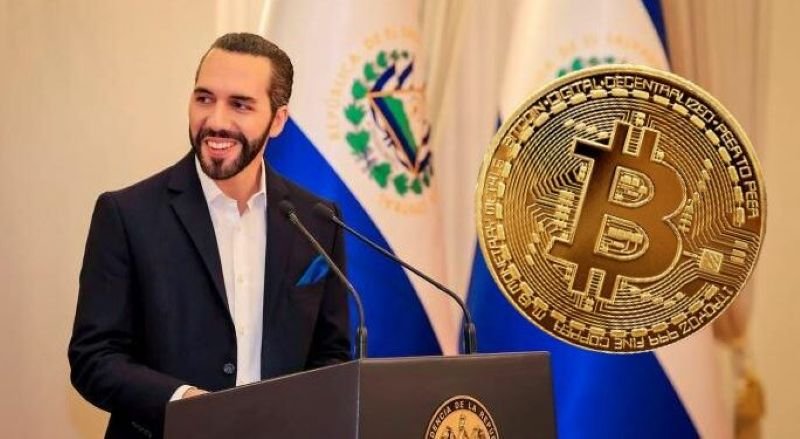
IMF Urges El Salvador to Ditch Bitcoin’s Legal Tender Status
Jan
FirstAm News | Raleigh, North Carolina — El Salvador continues to deepen its cryptocurrency-based strategy after announcing plans to issue bonds backed by bitcoin, a move that comes as negotiations with the International Monetary Fund (IMF) remain stalled over a proposed $1.3 billion loan.
The Central American nation, which in 2021 became the first country in the world to adopt bitcoin as legal tender, is facing growing international pressure over the financial risks associated with the policy.
IMF Warns of Financial Stability Risks
According to MB Daily News, the IMF has formally urged the Salvadoran government to strip bitcoin of its legal tender status, citing concerns over macroeconomic stability, crypto market volatility, and potential impacts on the country’s financial system.
The multilateral lender argues that bitcoin adoption increases fiscal risks and complicates financial oversight—key issues in the IMF’s evaluation of whether to approve the requested financing for the highly indebted country.
Bitcoin Bonds as an Alternative Financing Strategy
In response to the lack of progress with the IMF, the Salvadoran government has promoted the creation of so-called “bitcoin bonds,” financial instruments that would be partially backed by holdings of the cryptocurrency. The initiative aims to attract international investors interested in digital assets while generating funds for infrastructure and economic development projects.
Government officials insist the bonds will help diversify funding sources and reduce reliance on traditional international financial institutions.
Mixed Reactions From Economic Experts
Economic analysts note that while bitcoin-backed bonds may attract attention in global markets, the cryptocurrency’s high volatility poses significant risks for both investors and the country’s public finances.
Experts warn that greater exposure to bitcoin could increase economic uncertainty and further complicate efforts to reach an agreement with the IMF, which many view as critical to stabilizing El Salvador’s finances.
A Closely Watched Economic Experiment
As the Salvadoran government defends its approach as a step toward financial innovation and greater economic inclusion, international institutions remain cautious. The outcome of IMF negotiations and the performance of bitcoin-backed bonds could prove decisive for El Salvador’s economic future and may set a precedent for other nations considering the adoption of cryptocurrencies at the state level.
Subscribe to The Economist and Financial Times 3-years for $69
The fund said on Tuesday that El Salvador’s recent adoption of bitcoin as a national currency also creates risks for financial integrity, consumer protection, and fiscal liabilities in a tiny economy with limited government resources.
Top 12 Digital News Subscriptions

