
U.S.
Senate Rejects Proposal to Limit Presidential Military Actions Against Iran
Mar
FirstAm News | Raleigh, NC
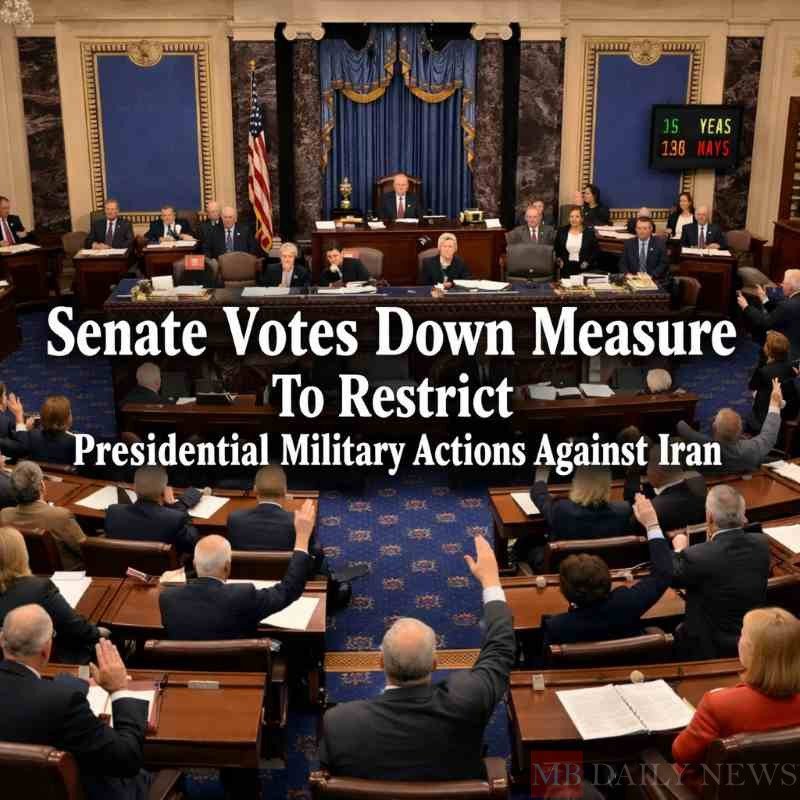
The Senate has recently voted against a proposal that sought to limit the president’s authority to initiate military actions against Iran. This decision underscores the significant partisan divisions within the chamber. Lawmakers engaged in extensive debates regarding the implications of unchecked military power, emphasizing the necessity for congressional oversight. Critics of the proposal argued that it could jeopardize national security. Conversely, supporters maintained that limiting presidential authority is crucial to prevent unilateral military decisions. The outcome of this vote reflects ongoing tensions concerning the balance of power between the executive and legislative branches.
Party Divisions on Military Authority
The rejection of the proposal primarily fell along party lines, highlighting stark ideological differences. Republicans largely favored maintaining the president’s existing military authority, while Democrats advocated for increased checks on that power. This divide illustrates broader concerns regarding military engagement without legislative consent. Many lawmakers assert that Congress should have a significant role in decisions that could lead to armed conflict. The debate showcases a growing unease about the expanding military reach of the executive branch. Observers are keen to see how this decision will shape future military strategies and congressional actions.
Concerns Over Future Military Engagements
The Senate’s decision raises critical questions about future military engagements and the role of Congress in such matters. As tensions with Iran continue, the absence of restrictions may encourage the administration to act unilaterally. Lawmakers who supported the proposal express concerns that this could lead to escalated conflicts without adequate oversight. The potential for military action without congressional approval remains a contentious issue among legislators. Analysts suggest that this outcome may reignite discussions surrounding the War Powers Resolution. Future military strategies will likely be influenced by the ongoing debate over authority and accountability.
Public Sentiment and Legislative Decisions
Public opinion regarding military action often plays a significant role in shaping legislative decisions. Many citizens express apprehension over military interventions that lack clear objectives and oversight. This sentiment can influence how lawmakers approach military authority and engagement. As discussions continue, the impact of public opinion on future legislative actions will be closely monitored. Lawmakers may feel pressured to align their decisions with constituents’ views on military involvement. The ongoing debate highlights the importance of transparency and accountability in military actions.
Implications for National Security
The implications of the Senate’s decision extend beyond immediate military actions. National security concerns are at the forefront of discussions regarding military authority. Critics argue that unchecked presidential power could lead to unintended consequences in international relations. Supporters of the proposal contend that a more balanced approach is necessary to safeguard national interests. The ongoing tensions with Iran complicate the landscape, making it essential for lawmakers to consider the long-term effects of their decisions. As a result, the dialogue surrounding military authority will likely continue to evolve.
Legislative Oversight and Accountability
Legislative oversight is a crucial aspect of maintaining accountability in military actions. The recent vote reflects a broader concern about the need for checks on presidential power. Many lawmakers believe that Congress should play a pivotal role in decisions that could lead to military conflict. The debate over military authority underscores the importance of collaboration between the executive and legislative branches. As discussions progress, the potential for reform in military engagement practices may emerge. Lawmakers are expected to continue advocating for a more balanced approach to military decision-making.
Future of Military Strategy
The future of military strategy will be influenced by the ongoing debate over presidential military actions. As tensions with Iran persist, the administration’s approach may shift in response to this decision. Lawmakers are likely to remain vigilant in monitoring the implications of military engagements. The rejection of the proposal may prompt renewed discussions about the role of Congress in military decisions. Observers will be watching closely to see how this decision shapes future legislative actions and military strategies. Ultimately, the balance of power between branches of government will continue to be a focal point in discussions about military authority.

