
U.S.
Congressional Leaders Avoid War Label in U.S.-Iran Conflict
Mar
FirstAm News | Raleigh, NC
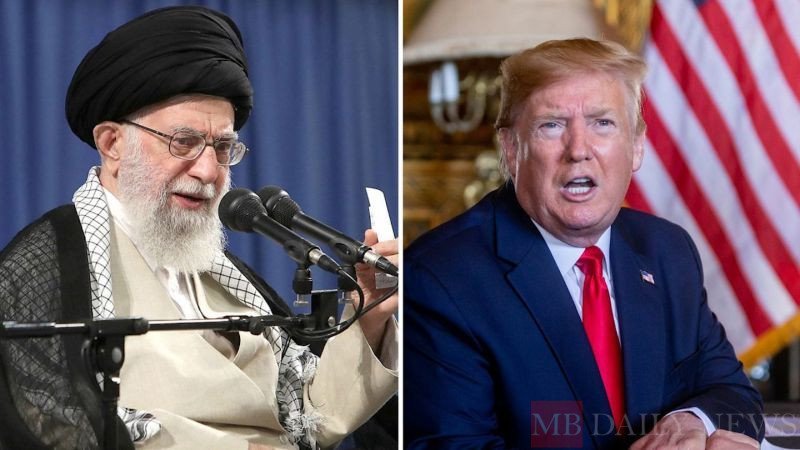
Many congressional leaders are currently reluctant to classify the U.S.-Iran conflict as a war. This hesitation highlights a broader political sensitivity regarding military engagements. Lawmakers are acutely aware of how such terminology can shape public perception and influence policy decisions. The term “war” carries significant implications, affecting both domestic and international responses. As tensions continue to rise, the language used by officials becomes increasingly important. Observers suggest that this cautious approach may have ramifications for future legislative actions related to military funding and intervention.
Political Implications of Terminology
The decision to avoid labeling the situation as a war appears to be a strategic political choice. Many lawmakers may be concerned about potential backlash from constituents who oppose military action. Additionally, this hesitance could stem from a desire to preserve diplomatic channels with Iran. By not declaring war, Congress may seek to keep communication lines open, which could be crucial for negotiations. This careful wording may also influence potential resolutions in the region. As public sentiment shifts regarding military involvement, the political landscape may evolve significantly.
Economic Pressures Mounting
Rising gas prices are intensifying scrutiny on the U.S.-Iran relationship. Increased fuel costs often lead to public dissatisfaction, prompting citizens to demand accountability from their elected officials. As the economic strain becomes more pronounced, it complicates the narrative surrounding military actions. Lawmakers face the challenge of balancing national security interests with the immediate concerns of their constituents. The intersection of economic issues and foreign policy will likely play a significant role in upcoming congressional debates. Addressing these pressures is essential for maintaining public support.
Inflation Concerns Diverge
Conflicting economic indicators regarding inflation add complexity to the current situation. While some metrics suggest rising costs, others indicate a degree of stability. This divergence can lead to confusion among both the public and policymakers. Understanding the nuances of inflation is vital for effective governance. Lawmakers must navigate these mixed signals as they develop responses to economic challenges. The ongoing discourse around inflation will likely influence legislative priorities in the near future.
Public Sentiment and Military Action
Public opinion plays a crucial role in shaping congressional attitudes toward military action. As citizens express their views on the U.S.-Iran conflict, lawmakers must consider these sentiments in their decision-making processes. The reluctance to label the situation as war may reflect an awareness of the potential backlash from voters. Additionally, as economic pressures mount, public sentiment may shift further. Lawmakers are tasked with balancing the need for national security with the expectations of their constituents. This dynamic will be pivotal in determining future military engagements.
Future Legislative Actions
The cautious approach taken by congressional leaders could have lasting effects on future legislative actions. As discussions around military funding and intervention continue, the terminology used will remain a focal point. Lawmakers may find themselves navigating a complex landscape where public opinion and economic factors intersect. The implications of their choices could shape U.S. foreign policy for years to come. Observers will be closely monitoring how these dynamics unfold in the coming months. The relationship with Iran will likely remain a contentious issue in Congress.
Conclusion: Navigating Complexities
In summary, the U.S.-Iran conflict presents a multifaceted challenge for congressional leaders. Their reluctance to label the situation as war reflects a careful consideration of political, economic, and public sentiment factors. As tensions escalate, the language used by lawmakers will be critical in shaping both domestic and international responses. The ongoing economic pressures, particularly rising gas prices, add another layer of complexity to the discourse. Future legislative actions will need to address these intertwined issues effectively. The evolving landscape will require careful navigation as Congress seeks to balance national security with the needs of the public.

