
Real Estate
Executive Orders Aim to Improve Home Affordability
Mar
FirstAm News | Raleigh, NC
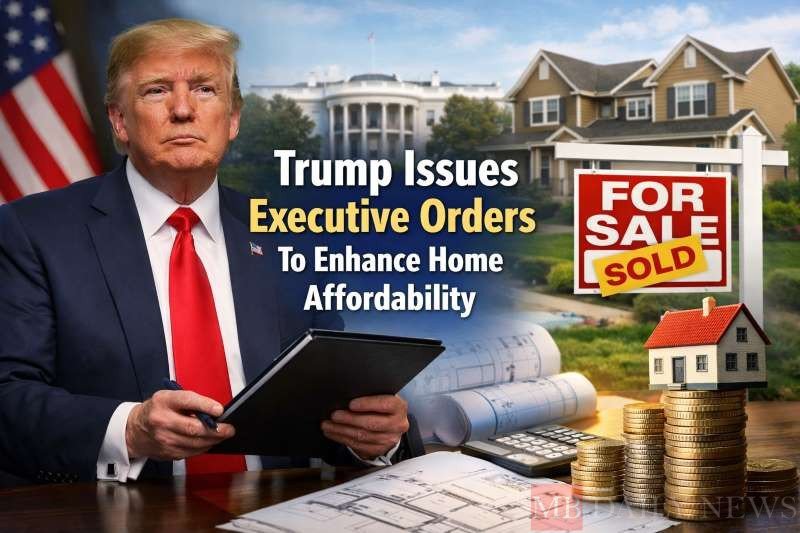
Recent executive orders have been signed with the intent to improve home affordability across the nation. These measures are designed to facilitate access to mortgages, particularly through community banks. The initiative addresses the growing concerns of many voters who are struggling with the high costs associated with homeownership. By streamlining the mortgage process, the administration aims to stimulate new construction and increase housing availability. This strategy reflects a broader effort to engage constituents who are dissatisfied with current housing market conditions. Observers are closely watching how these changes will influence the housing landscape.
Focus on Community Banks
A significant aspect of the executive orders is the focus on community banks. These institutions typically serve local borrowers and can offer tailored mortgage solutions. By easing certain regulations, the administration intends to empower these banks to provide more competitive rates. This shift could potentially lead to increased lending activity in underserved areas. Enhanced access to financing may encourage more potential homeowners to enter the market. Stakeholders are keen to see how these changes will affect overall lending trends in the near future.
Addressing Voter Concerns
The executive orders are a direct response to rising voter frustration regarding homeownership affordability. Many individuals feel excluded from the housing market due to escalating costs. By targeting these pressing issues, the administration aims to resonate with constituents ahead of upcoming elections. This approach may bolster support among those who prioritize housing as a critical issue. Political analysts will be assessing the effectiveness of these measures in influencing public opinion. The impact on voter sentiment could significantly shape future policy discussions.
Impact on New Construction
Boosting new construction is another key objective of the recent executive actions. An increase in housing supply can help alleviate the pressure on home prices. By simplifying the mortgage process, the administration hopes to incentivize builders to undertake new projects. This could contribute to a more balanced housing market over time. Developers may respond positively to the prospect of easier financing options, leading to more construction activity. The overall effect on the housing market remains to be seen as these initiatives unfold.
Long-Term Implications
The long-term implications of these executive orders could be significant for the housing market. If successful, the measures may lead to a more accessible homeownership landscape for many Americans. Increased competition among lenders could drive down mortgage rates, making homes more affordable. Additionally, a rise in new construction could help stabilize home prices over time. However, the effectiveness of these initiatives will depend on various factors, including market conditions and borrower response. Analysts will continue to monitor the situation closely.
Reactions from Industry Experts
Industry experts have expressed a range of opinions regarding the recent executive orders. Some believe that the focus on community banks could lead to positive changes in lending practices. Others caution that while the intentions are commendable, the execution will be crucial. The real estate sector is particularly sensitive to regulatory changes, and stakeholders are eager to see how these policies will play out. As the housing market evolves, expert insights will be invaluable in understanding the broader implications. The ongoing dialogue among industry professionals will shape future developments.
Future Policy Considerations
As these executive orders take effect, future policy considerations will likely emerge. Lawmakers may need to evaluate the effectiveness of the measures in achieving their intended goals. If the initiatives lead to improved home affordability, they could serve as a model for future housing policies. Conversely, if challenges arise, adjustments may be necessary to address unforeseen consequences. The ongoing assessment of these policies will be essential in shaping the future of housing in the country. Stakeholders will remain engaged in discussions about the best paths forward.

