
U.S.
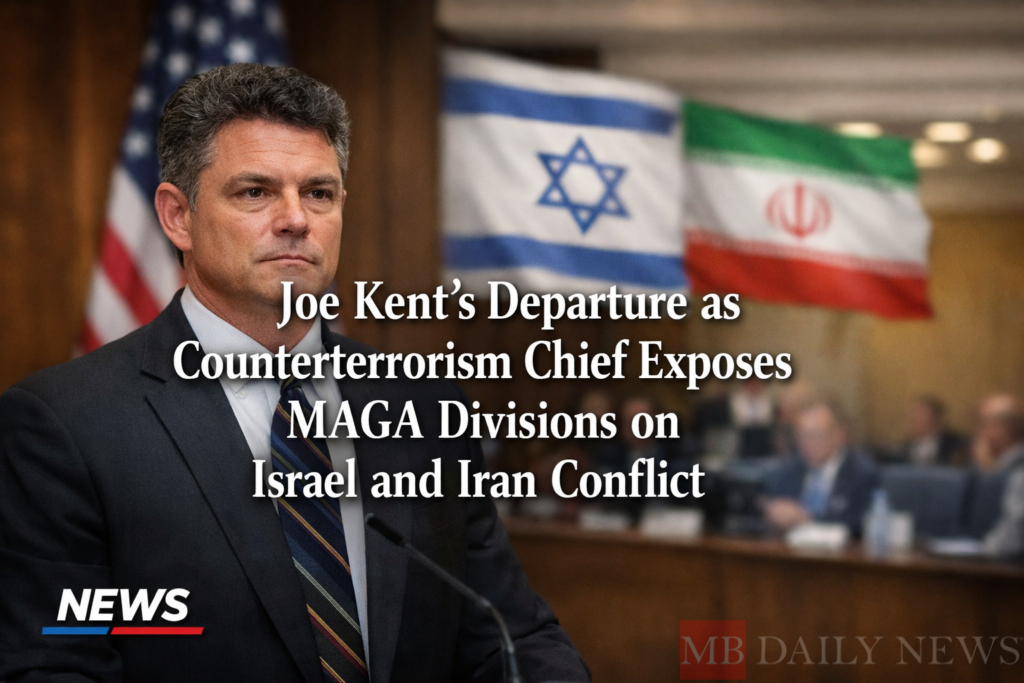
Resignation of Counterterrorism Chief Highlights MAGA Foreign Policy Divisions
Mar
FirstAm News | Raleigh, NC
Recent developments surrounding the resignation of the U.S. counterterrorism chief have ignited discussions about MAGA foreign policy divisions. Joe Kent’s departure has brought to light significant ideological splits within the movement, particularly regarding the U.S. stance on Israel and Iran. These divisions could have far-reaching implications as the Republican Party prepares for future elections. Observers are noting that the internal conflicts may challenge the party’s unity and strategy moving forward.
Internal Struggles Within MAGA
Kent’s resignation underscores the ongoing internal struggles within the MAGA movement, especially concerning foreign policy. Different factions within the party are advocating for contrasting approaches, with some favoring a more isolationist stance while others emphasize strong alliances, particularly with Israel. This disagreement may prompt a reassessment of the party’s overall foreign policy strategy. As the Republican Party navigates these complexities, leaders face the challenge of addressing the diverse concerns of their members.
Implications for U.S. Foreign Policy
The divisions emerging from the MAGA movement raise critical questions about the future direction of U.S. foreign policy. Kent’s exit could indicate a potential shift in how the party engages with international conflicts, particularly those involving Israel and Iran. Some party members may advocate for a more aggressive foreign policy, while others might push for diplomatic solutions. This divergence in viewpoints could significantly influence legislative priorities and funding for international initiatives.
Challenges to Party Cohesion
As the MAGA movement grapples with these internal divisions, maintaining party cohesion becomes increasingly challenging. Leaders must find a way to balance differing opinions while presenting a united front to voters. The ongoing debates about foreign policy could lead to fractures that may affect the party’s overall effectiveness. Observers are closely monitoring how party leaders will respond to these emerging tensions and whether they can foster unity.
Potential Electoral Consequences
The internal conflicts within the MAGA movement could have significant electoral consequences. As the party approaches upcoming elections, the divisions may impact candidate selection and campaign strategies. Candidates may need to navigate these ideological rifts carefully to appeal to a broader base. The ability to unify various factions will be crucial for the party’s success in the electoral landscape.
Future of Republican Foreign Policy
As the MAGA movement continues to evolve, the future of Republican foreign policy remains uncertain. The ideological splits highlighted by Kent’s resignation may lead to a reevaluation of the party’s stance on international issues. Analysts are keenly observing how these dynamics will shape the party’s approach to foreign relations in the coming months. The outcome of these discussions could have lasting implications for U.S. diplomacy and international partnerships.
Monitoring Party Dynamics
Stakeholders within the Republican Party are closely monitoring the evolving dynamics following Kent’s resignation. The internal divisions may prompt leaders to reassess their strategies and priorities. As the party navigates these challenges, the focus will be on how to reconcile differing viewpoints while maintaining a cohesive message. The ongoing discussions about foreign policy will likely play a pivotal role in shaping the party’s future direction.

