
U.S.
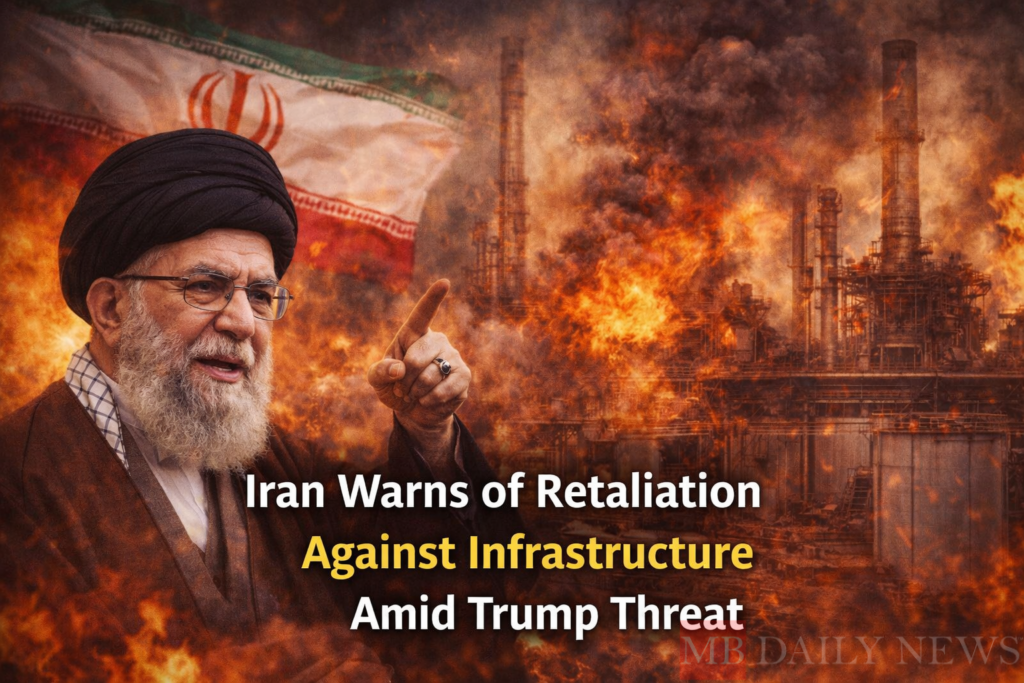
Iran Issues Warning of Retaliation Over Infrastructure Threats
Mar
FirstAm News | Raleigh, NC
Iran has issued a strong warning regarding potential retaliation against its critical infrastructure. This warning follows recent threats made by former President Trump, who indicated severe consequences if Iran does not comply with demands related to the Strait of Hormuz. The situation has escalated tensions in the region, prompting concerns about stability and international relations. Stakeholders are closely monitoring these developments, as the implications could lead to further escalation. The ongoing rhetoric highlights the fragile nature of diplomatic ties between the two nations. Observers are particularly wary of how this might affect broader geopolitical dynamics.
Escalating Tensions in the Region
The exchange of threats between Iran and the United States has intensified recently. Both countries have a long history of conflict, particularly concerning oil and trade routes. The Strait of Hormuz serves as a crucial passage for global oil shipments, making it a focal point of international interest. Any disruption in this vital area could have significant economic repercussions. Analysts are evaluating the potential impact on global oil prices as tensions rise. The possibility of military engagement remains a pressing concern for many in the international community.
Impact on Global Oil Markets
Global oil markets are particularly sensitive to threats involving the Strait of Hormuz. A substantial portion of the world’s oil supply transits through this narrow waterway, making any disruptions a cause for alarm. Traders are already reacting to the heightened tensions, with speculation about supply shortages potentially driving prices higher. Market volatility is expected as stakeholders in the energy sector prepare for various scenarios. The implications of these developments could extend beyond immediate price changes, affecting global economic stability. Investors are advised to stay informed as the situation evolves.
Domestic Reactions in Iran
Within Iran, the government’s response to Trump’s threats reflects a blend of defiance and caution. Officials are emphasizing their commitment to national sovereignty and security in the face of external pressures. Public sentiment may also influence the government’s actions, as citizens express concerns about the potential for conflict. The leadership faces the challenge of balancing assertiveness with the need to avoid escalation. Domestic stability remains a priority, especially amid rising external tensions. The Iranian government is likely to consider the broader implications of its response on national unity.
International Community’s Role
The international community is closely observing the situation, urging both sides to exercise restraint. Diplomatic efforts may be necessary to de-escalate tensions and prevent further conflict. Various nations have expressed concern over the potential for military engagement, which could destabilize the region. The role of international organizations may become crucial in mediating discussions between Iran and the United States. Global leaders are advocating for dialogue to address underlying issues and promote stability. The outcome of these tensions could have lasting effects on international relations.
Future Implications for U.S.-Iran Relations
The current situation raises questions about the future of U.S.-Iran relations. Historical conflicts over oil and trade routes have shaped interactions between the two nations. As tensions escalate, the potential for diplomatic solutions may diminish. Analysts are considering how this might affect future negotiations and agreements. The ongoing rhetoric could hinder efforts to establish a more stable relationship. Observers are keenly aware that the stakes are high, with implications that extend beyond the immediate region.
Conclusion
In summary, Iran’s warning of retaliation against infrastructure amid threats from the U.S. underscores the fragile state of regional stability. The situation is being closely monitored by stakeholders around the world, particularly in the energy sector. As tensions rise, the potential for economic repercussions and military engagement remains a concern. The international community’s response will be critical in shaping the future of U.S.-Iran relations. Ongoing developments will likely influence both domestic and global dynamics in the coming weeks. The need for diplomatic engagement has never been more pressing.

