
U.S.
Supreme Court’s Potential Decision on Late Mailed Ballots
Mar
FirstAm News | Raleigh, NC
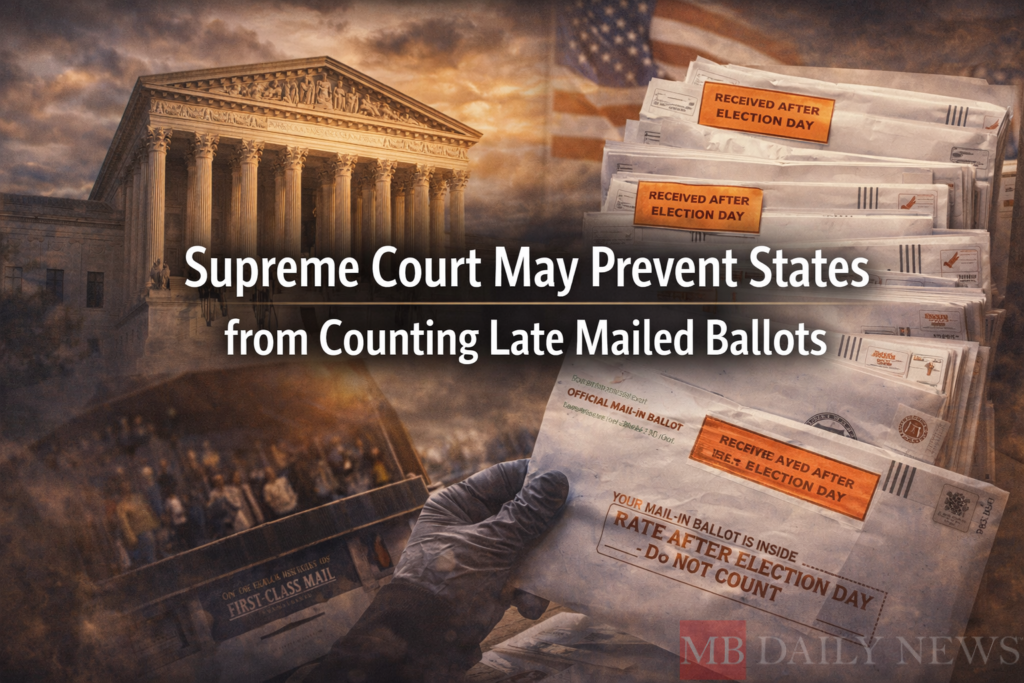
The Supreme Court is considering a significant ruling that could limit states from counting late mailed ballots. These ballots, which are postmarked by Election Day, frequently arrive after the deadline. The outcome of this decision may have profound implications for voter participation across the nation. Many states depend on mail-in voting to enhance accessibility for their constituents. A ruling that restricts the counting of these ballots could disenfranchise voters who rely on this voting method. Legal experts and observers are closely monitoring the Court’s deliberations, as the implications could shape future electoral processes.
Legal Context of the Case
This case revolves around the interpretation of election laws concerning mail-in ballots. Legal scholars are debating whether individual states possess the authority to establish their own regulations. While the Constitution allows states to manage elections, federal guidelines also influence these decisions. A ruling that favors restricting ballot counting could set a significant legal precedent. Such a decision may also provoke further legal challenges in various jurisdictions. Understanding the legal framework is essential as the Court evaluates its options.
Impact on Voter Turnout
State Responses and Preparations
As the Supreme Court deliberates, states are preparing for a range of possible outcomes. Some jurisdictions have already taken steps to ensure timely delivery of ballots. Others may need to revise their election procedures depending on the Court’s ruling. Election officials anticipate a potential increase in voter confusion as a result of the decision. Clear and effective communication will be vital to address any misunderstandings that arise. Observers are keen to see how states will adapt to the ruling and its implications.
Public Sentiment and Concerns
Public sentiment regarding mail-in voting and late ballot counting is mixed. Many voters appreciate the convenience of mail-in options, while others express concerns about potential fraud. The Supreme Court’s decision could influence public trust in the electoral process. If voters feel that their ballots may not be counted, it could lead to apathy and disengagement. Advocacy groups are voicing their concerns about the potential disenfranchisement of voters. The broader implications for democracy are at the forefront of discussions surrounding this case.
Future of Mail-In Voting
The future of mail-in voting may hinge on the Supreme Court’s ruling regarding late mailed ballots. If the Court decides to restrict counting, states may need to reevaluate their voting systems. This could lead to a shift in how elections are conducted, particularly in states that rely heavily on mail-in ballots. The decision may also prompt lawmakers to consider new legislation to address the challenges posed by late ballots. The evolving landscape of voting rights continues to be a critical issue in American democracy. Observers are keen to see how this ruling will influence future elections.
Conclusion and Next Steps
As the Supreme Court prepares to announce its decision, the nation awaits the potential ramifications for late mailed ballots. The ruling could redefine the landscape of mail-in voting and its accessibility. Voter participation may be significantly affected, depending on the outcome. States are bracing for the impact of the decision and are strategizing accordingly. The ongoing discussions highlight the importance of ensuring that all voices are heard in the electoral process. The implications of this case will likely resonate for years to come.

