
U.S.
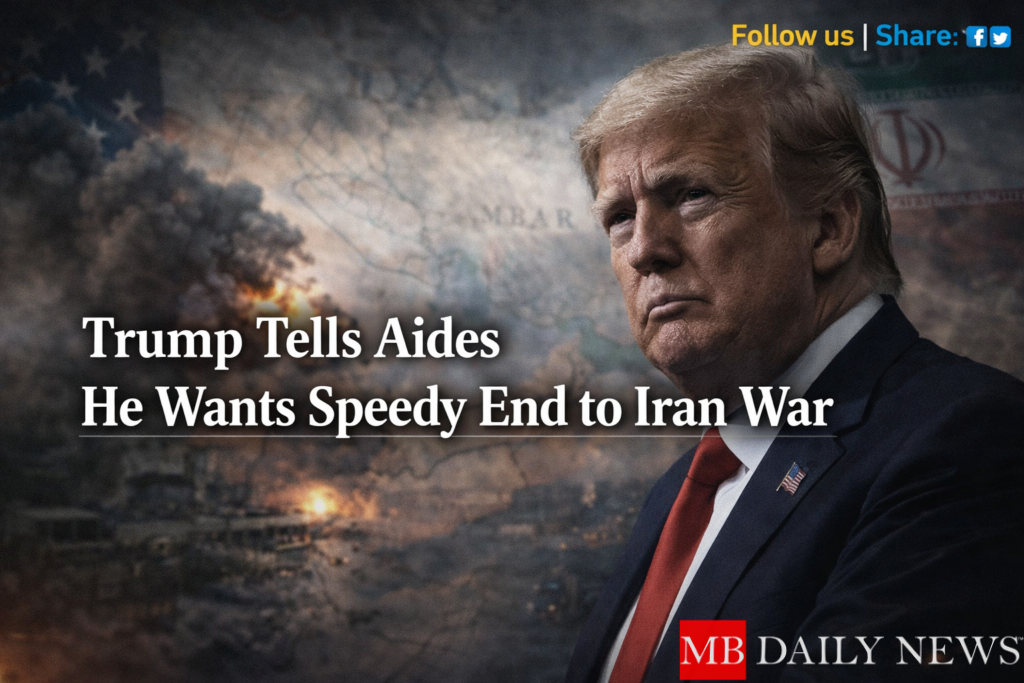
Trump Advocates for Quick Resolution in Iran Conflict
Mar
FirstAm News | Raleigh, NC
President Donald Trump has expressed a desire for a quick resolution in the ongoing conflict with Iran. His administration is currently evaluating options that balance diplomatic efforts with military strategies. As the conflict approaches a month in duration, concerns are mounting regarding its financial implications, human costs, and potential disruptions to global oil markets. Trump’s inclination for a swift conclusion reflects a broader aim to mitigate further instability in the Middle East.
Urgency for a Swift End
Reports indicate that Trump has communicated to his advisers the importance of concluding the Iran conflict without unnecessary delays. He is reportedly wary of a prolonged military engagement, which could lead to significant political repercussions. A rapid resolution would not only alleviate pressure on his administration but also stabilize energy markets. Additionally, it may help prevent a wider regional escalation that could involve other nations.
Strategic Balancing Act
While advocating for a quick resolution in the Iran conflict, the U.S. has not abandoned its military stance. The administration appears to be employing a dual strategy that integrates military readiness with diplomatic outreach. Recent discussions suggest that the White House is exploring potential peace negotiations through intermediaries. This approach aims to maintain leverage in any future talks while avoiding the perception of capitulation under external pressures.
Challenges to Negotiation
Despite the push for a quicker resolution, significant hurdles remain in the negotiation process. Conflicting demands from both Washington and Tehran complicate the possibility of reaching a meaningful agreement. The uncertainty surrounding the willingness of both sides to engage in constructive dialogue poses a challenge. As a result, the administration must navigate these complexities carefully to achieve its objectives.
Domestic and International Implications
The call for a quick resolution in the Iran conflict is influenced by both domestic and international factors. Domestically, a shorter conflict could ease political tensions and reduce scrutiny on the administration. Internationally, stabilizing the situation may help restore confidence in U.S. foreign policy. A rapid resolution could also mitigate risks associated with escalating military actions that might draw in additional regional players.
Energy Market Considerations
Concerns about the impact of the Iran conflict on global energy markets are also driving the urgency for a resolution. A prolonged conflict could lead to significant fluctuations in oil prices, affecting economies worldwide. By seeking a quick resolution, the administration aims to calm market fears and stabilize energy supplies. This focus on energy stability underscores the interconnectedness of military actions and economic outcomes.
Future Outlook
The outlook for a quick resolution in the Iran conflict remains uncertain as various factors continue to evolve. The administration’s commitment to balancing military readiness with diplomatic efforts will be crucial in the coming weeks. Observers will be closely monitoring developments to see if meaningful negotiations can emerge. Ultimately, the ability to navigate these challenges will significantly influence both U.S. foreign policy and regional stability.

