
U.S.
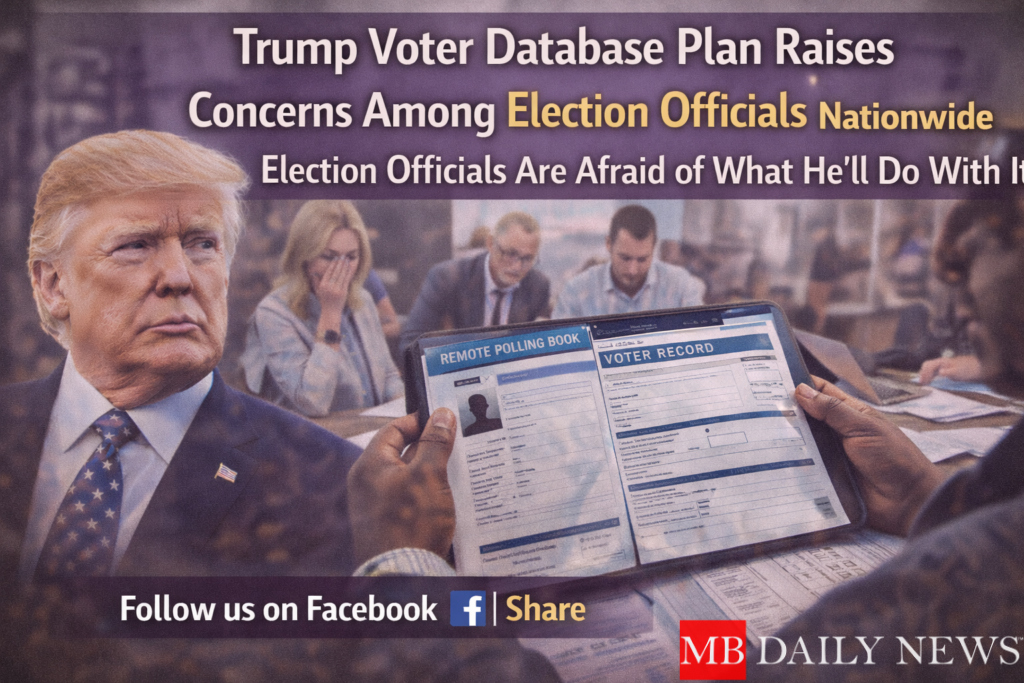
Concerns Emerge Over Proposed National Voter Database
Apr
FirstAm News | Raleigh, NC
Growing scrutiny surrounds a proposed national voter database aimed at consolidating voter information across the United States. Election officials are voicing concerns about the implications of such a system. Critics worry about potential misuse of data and the impact on voter privacy. Meanwhile, supporters argue that the initiative could enhance election security and efficiency. This proposal has sparked a significant debate over voting rights and data privacy. As discussions unfold, the future of this initiative remains uncertain.
Efforts to Centralize Voter Information
The proposed plan seeks to unify voter records from various states into a single database. This would encompass detailed data, including voting history and demographic information. Centralizing such information could potentially increase federal access to voter data. However, the implications of this centralization are causing alarm among many election officials. They express concerns about the accuracy and security of the data collected. The debate continues as stakeholders assess the potential benefits and drawbacks of this approach.
Election Officials Express Concerns
State and local election officials are raising red flags regarding the proposed database. Many fear that it could be manipulated to influence voter rolls or sway election outcomes. Transparency and accountability are crucial elements that officials believe must be prioritized. Some officials advocate for strict regulations to ensure the integrity of the electoral process. The potential for misuse of the database is a significant concern that cannot be overlooked. As discussions progress, the need for safeguards becomes increasingly evident.
Privacy and Security Risks
Privacy advocates are sounding alarms about the risks associated with centralizing sensitive voter data. They warn that such a system could be vulnerable to cyberattacks and unauthorized access. Questions regarding data storage, protection, and access remain largely unanswered. The implications for civil liberties are also a critical aspect of the ongoing debate. As a result, many are calling for comprehensive measures to protect voter information. The balance between security and privacy is a delicate one that needs careful consideration.
Supporters Highlight Election Integrity
Proponents of the national voter database argue that it could help combat voter fraud and enhance coordination among states. They view this initiative as a necessary modernization of election infrastructure. Supporters believe that a centralized system could streamline processes and improve overall efficiency. However, they also acknowledge the importance of implementing robust safeguards. The conversation around election integrity is becoming increasingly complex. As a result, the proposal continues to generate mixed reactions from various stakeholders.
Broader Implications for Voting Rights
The proposed national voter database has broader implications for voting rights across the country. As the debate unfolds, it raises essential questions about access to the electoral process. Advocates for voting rights are concerned that such a system could disproportionately affect certain populations. Ensuring equitable access to voting remains a priority for many organizations. The intersection of technology and civil rights is a critical area of focus. As discussions evolve, the potential impact on democracy is a significant concern.
Future of the Proposal Remains Uncertain
As the conversation surrounding the national voter database continues, its future remains uncertain. Stakeholders are weighing the potential benefits against the risks involved. Ongoing discussions will likely shape the direction of this initiative. The balance between enhancing election security and protecting voter privacy is crucial. As a result, the outcome of this proposal could have lasting effects on the electoral landscape. The coming months will be pivotal in determining how this issue unfolds.

