
Real Estate
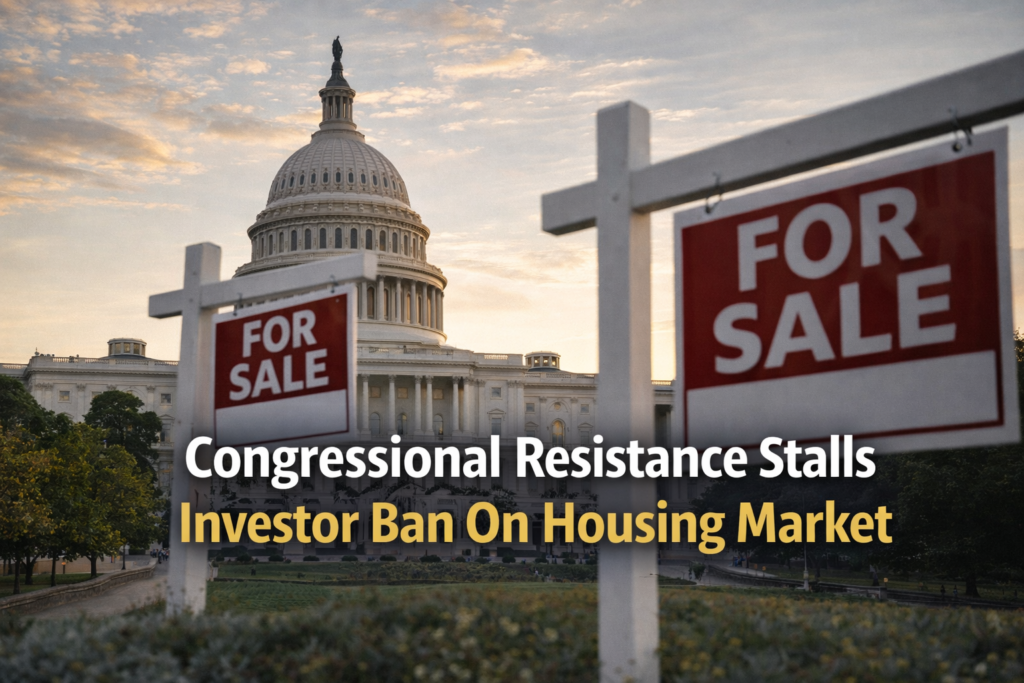
Congressional Pushback Delays Housing Market Investor Restrictions
Feb
FirstAm News | Raleigh, NC
Significant resistance in Congress is hindering proposed restrictions on housing market investors. Lawmakers are voicing concerns about the broader implications of such a ban on the real estate sector. The ongoing debate focuses on finding a balance between enhancing housing affordability and protecting investor interests. Many stakeholders worry that limiting investor participation could inadvertently affect housing supply. As discussions unfold, the potential for market dynamics to shift remains a key point of interest. Observers are keenly watching how these legislative efforts will evolve in the coming weeks.
Current Legislative Environment
The legislative backdrop for the proposed investor restrictions is complex and multifaceted. Different factions within Congress are presenting varying perspectives on the necessity of the ban. Some lawmakers are advocating for stricter regulations to tackle pressing housing affordability challenges. In contrast, others caution that curbing investor activity may hinder growth and innovation within the housing market. The ongoing negotiations underscore the difficulty of achieving consensus on effective housing policy. As discussions progress, stakeholders are actively seeking to influence the final legislative outcome.
Market Reactions and Sentiment
Responses from the real estate market reveal a blend of apprehension and cautious optimism. Investors are closely monitoring the legislative developments, as any changes could significantly alter their strategies. Some analysts predict that a ban on investors might lead to reduced investment activity, which could impact property values negatively. Conversely, there are opinions suggesting that such restrictions could create favorable conditions for first-time homebuyers. The uncertainty surrounding the proposal has resulted in fluctuating market sentiment. Stakeholders are preparing for various potential scenarios as the situation continues to evolve.
Implications for Homebuyers
Potential changes in investor participation could have profound effects on homebuyers navigating the market. A ban on investor activity might increase opportunities for individuals looking to purchase homes. However, it could also result in a tighter housing supply, complicating the buying process. The dynamics of the housing market are likely to shift, influencing pricing and availability. Homebuyers may need to adapt their strategies in response to these changes. As the legislative process unfolds, the implications for homebuyers will become clearer.
Stakeholder Perspectives
Various stakeholders are weighing in on the potential impact of the proposed investor restrictions. Real estate professionals are expressing concerns about the long-term effects on market stability. Some advocate for a balanced approach that considers both affordability and investment opportunities. Others emphasize the need for innovative solutions to address housing challenges without stifling investor participation. The diversity of opinions highlights the complexity of the issue. As discussions continue, the perspectives of these stakeholders will play a crucial role in shaping the outcome.
Future of Housing Policies
The outcome of the current legislative efforts could significantly influence future housing policies. If the investor restrictions are enacted, they may set a precedent for further regulations in the real estate sector. Conversely, a failure to pass the ban could signal a more investor-friendly environment. The implications of these developments will likely resonate throughout the housing market for years to come. Stakeholders are keenly aware that the decisions made today will impact the landscape of housing in the future. As a result, the ongoing dialogue around this issue remains critical.
Conclusion
In summary, the proposed housing market investor restrictions are facing notable challenges in Congress. The ongoing debate reflects the complexities of balancing housing affordability with the interests of investors. As stakeholders continue to engage in discussions, the future of these legislative efforts remains uncertain. The potential implications for homebuyers and the overall real estate market are significant. Observers will be watching closely as developments unfold, anticipating how these changes might reshape the housing landscape. The coming weeks will be pivotal in determining the direction of housing policies.

