
U.S.
Impact of Iran Conflict on U.S. Political Landscape
Mar
FirstAm News | Raleigh, NC
The ongoing military conflict involving the United States, Israel, and Iran is generating significant political and social implications in the U.S. Analysts are increasingly concerned that if hostilities persist, there may be a backlash against current political leaders. The situation has already led to rising public discontent, which could reshape the electoral landscape. As the conflict escalates, the ramifications for U.S. domestic politics are becoming more pronounced. Understanding these dynamics is crucial for anticipating potential shifts in voter sentiment.
Escalation of Military Operations
Military actions commenced with coordinated strikes by U.S. and Israeli forces targeting Iranian sites. This offensive reportedly resulted in the death of Iran’s Supreme Leader, which has led to a series of retaliatory attacks throughout the region. The conflict has since intensified, with assaults on U.S. military bases and disruptions to vital energy routes. As tensions rise across the Middle East, the implications for U.S. interests and security are becoming increasingly complex. The situation demands careful monitoring as it evolves.
Public Sentiment and Disapproval
Recent polling indicates that a substantial portion of the American public is opposed to the military intervention. Reports suggest that approximately 60% of Americans disapprove of the strikes, while only about 41% express support. This significant level of disapproval could have serious political consequences if the conflict continues. As public opinion shifts, political leaders may find themselves facing mounting pressure to reassess their strategies and decisions regarding the conflict.
Historical Context of Military Conflicts
Historically, military engagements have produced varied political outcomes in the United States. Initial phases of conflict often see a surge in public support for the president, a phenomenon known as the “rally around the flag” effect. However, prolonged conflicts tend to diminish that support, especially when they result in significant human and economic costs. Past conflicts, such as the Vietnam War and the Iraq War, illustrate how extended military actions can erode political backing for those in power.
Factors Contributing to Public Dissatisfaction
Several elements could exacerbate public dissatisfaction with the ongoing conflict. Potential U.S. military casualties may lead to increased scrutiny of the government’s decisions. Additionally, economic repercussions, such as rising oil prices and market instability, could further fuel discontent. The absence of a clear long-term strategy may also contribute to growing frustration among the electorate. If these issues persist, they could significantly impact public support for current leaders.
Protests and Political Polarization
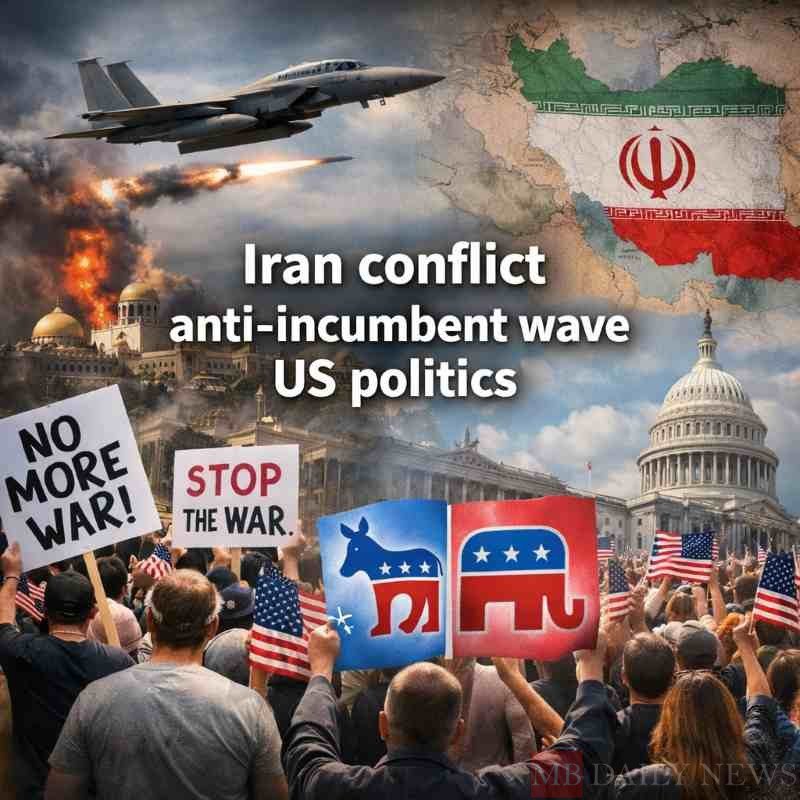
The conflict has already ignited protests across various U.S. cities, reflecting a deepening divide in public opinion. As citizens express their views on the military actions, political polarization may intensify. The protests highlight the urgent need for dialogue and understanding among differing perspectives. As the situation unfolds, the potential for increased civic engagement and activism could reshape the political landscape in the coming months.
Implications for Upcoming Elections
As the conflict with Iran continues, its implications for upcoming elections are becoming increasingly significant. Political analysts suggest that an anti-incumbent wave could emerge if public dissatisfaction grows. Voters may seek to hold current leaders accountable for their handling of the situation. The evolving dynamics of the conflict will likely play a crucial role in shaping the electoral strategies of candidates and parties as they prepare for the next election cycle.

