
Real Estate
Land Competition Impacts Housing Development Amid Data Center Growth
Feb
FirstAm News | Raleigh, NC
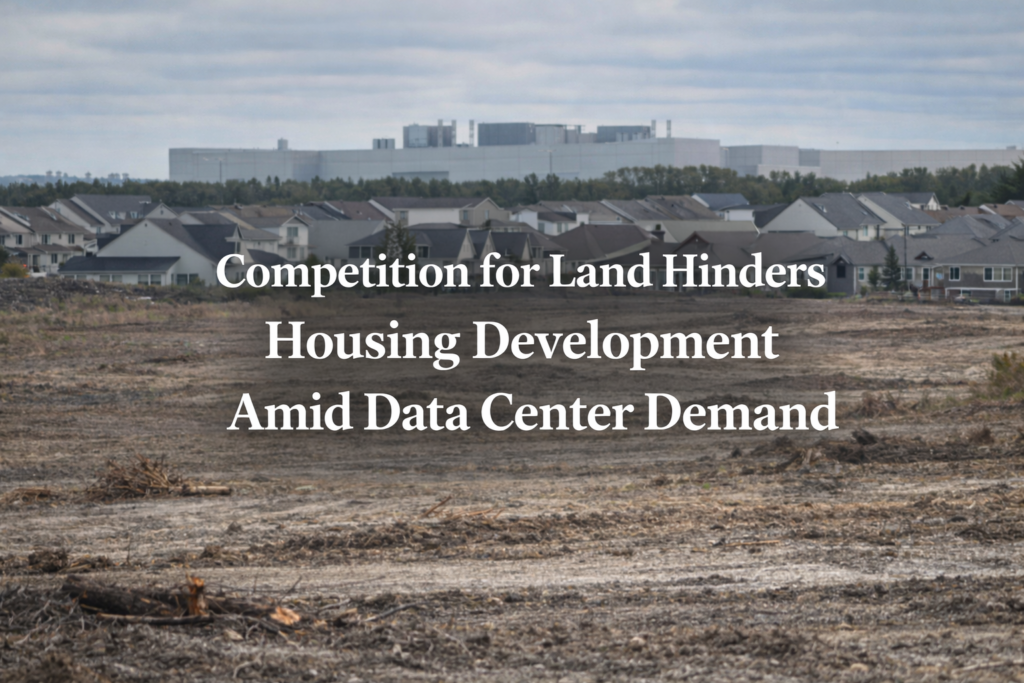
Intensifying land competition for housing is becoming a significant issue as the demand for data centers continues to rise. This growing trend presents substantial challenges for communities aiming to enhance their residential offerings. Local officials are increasingly concerned that commercial developments are overshadowing the pressing need for housing. As data centers expand, the availability of land for new homes is shrinking. Residents are expressing a clear preference for housing over commercial facilities, highlighting a critical community need. The ongoing situation underscores the importance of balanced land use in urban planning.
Growing Demand for Data Centers
The rapid increase in data center construction reflects the heightened reliance on digital infrastructure in today’s economy. Companies are eager to acquire land for these facilities to accommodate escalating data storage requirements. This surge in demand often leads to fierce competition between data center developers and residential builders for limited land parcels. As technology firms expand their operations, they may inadvertently restrict housing options for local communities. Finding a sustainable approach to land use that serves both sectors is becoming increasingly challenging. Stakeholders must work together to address these competing interests effectively.
Community Concerns About Housing
Residents are voicing growing concerns regarding the impact of data centers on their neighborhoods. Many believe that prioritizing commercial development detracts from the urgent need for affordable housing. Former local officials have emphasized the necessity of focusing on residential projects over industrial facilities. They advocate for policies that promote housing development in areas experiencing shortages. Community input is vital in shaping future land use decisions and ensuring that local needs are met. Addressing these concerns will require collaboration among various stakeholders, including residents and policymakers.
Local Government Responses
In response to the increasing concerns surrounding land use, local governments are beginning to take action. Some officials are considering zoning changes aimed at protecting residential areas from encroaching commercial developments. These initiatives seek to create a balance between economic growth and housing availability. Policymakers face the dual challenge of addressing community needs while also responding to economic pressures. Engaging with residents during the planning process is essential for creating effective solutions. Collaborative efforts will be crucial in navigating the complexities of land competition for housing.
Impact on Urban Planning
The ongoing land competition for housing is reshaping urban planning strategies across various communities. As the demand for data centers grows, planners must consider the implications for residential development. Balancing commercial and residential needs is essential for sustainable growth. Urban planners are tasked with creating frameworks that accommodate both sectors while addressing community concerns. Innovative solutions will be necessary to ensure that housing remains a priority in the face of commercial pressures. The future of urban development will depend on effective land use strategies that reflect community values.
Future Outlook for Housing Development
The future of housing development in the context of land competition remains uncertain. As data centers continue to proliferate, the pressure on available land will likely increase. Communities must remain vigilant in advocating for their housing needs amidst commercial interests. Policymakers and developers will need to collaborate closely to identify viable solutions. The challenge lies in fostering an environment where both housing and commercial development can thrive. A proactive approach will be essential to ensure that residential options are not sidelined in favor of industrial growth.
Conclusion: Navigating Competing Interests
Ultimately, navigating the competing interests of land competition for housing and data center demand will require a concerted effort from all stakeholders. Communities must advocate for their housing needs while also recognizing the importance of economic development. Local governments, developers, and residents must engage in open dialogue to find common ground. By prioritizing balanced land use, communities can work towards sustainable growth that meets the needs of all residents. The path forward will depend on collaborative efforts that address both housing shortages and economic opportunities.

