
U.S.
Senate Faces Pressure to Address Mail-In Voting Controversy
Mar
FirstAm News | Raleigh, NC
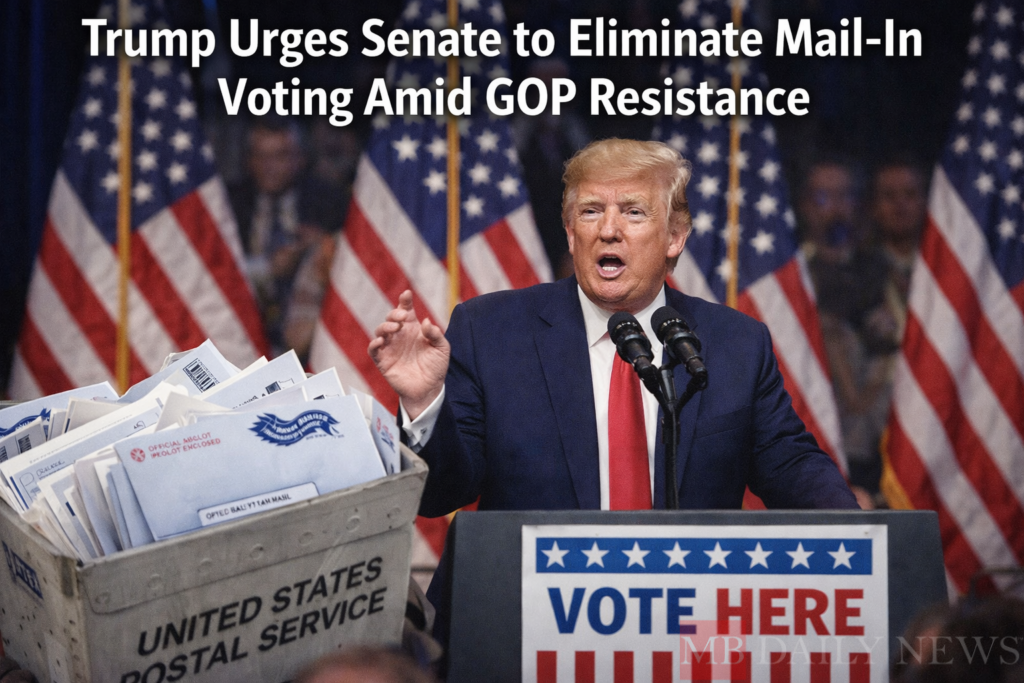
Calls for action regarding mail-in voting are intensifying within the Senate. Former President Trump has urged lawmakers to eliminate this voting method, reflecting a growing divide in the Republican Party. The issue has sparked debates about election integrity and accessibility. As the 2024 elections draw near, the implications of this controversy are becoming increasingly significant. Observers are closely watching how Senate leaders will respond to these demands. The outcome could have lasting effects on voter participation and party dynamics.
Internal GOP Divisions
Trump’s push to eliminate mail-in voting underscores a notable rift within the Republican Party. Some party members advocate for expanding access to voting, including the use of mail-in ballots. They argue that such measures can enhance voter participation, particularly among underrepresented communities. Conversely, others align with Trump, emphasizing security concerns associated with mail-in voting. This internal conflict may play a crucial role in shaping the party’s strategy as the election cycle progresses. The resolution of these differences could significantly impact voter sentiment and party cohesion.
Implications for Voter Access
The potential elimination of mail-in voting could have profound effects on voter turnout. Many individuals depend on mail-in ballots for their convenience and accessibility. Restricting this option may disproportionately impact those who cannot vote in person due to various reasons. Proponents of mail-in voting contend that it fosters greater democratic engagement. Any changes to this voting method could lead to legal disputes and public backlash. Stakeholders are actively monitoring developments in this area as the situation evolves.
Political Strategy Considerations
Republican leaders face a complex political landscape as they navigate this issue. Balancing Trump’s influence with the need to appeal to a broader voter base presents a significant challenge. Some strategists caution that alienating moderate voters could have negative repercussions. The party’s stance on mail-in voting may serve as a critical indicator for candidates in upcoming elections. Observers will be attentive to how this issue shapes primary races and candidate positioning. The stakes are high as the party aims to preserve its electoral support.
Public Opinion Trends
Public attitudes toward mail-in voting are varied and evolving. Recent surveys indicate a mix of support and opposition among voters regarding this method. As discussions continue, the Republican Party must consider how these sentiments may influence their electoral strategy. Engaging with constituents about their preferences could be vital for maintaining voter trust. The ongoing debate may also affect how candidates approach their campaigns. Understanding public opinion will be essential as the party prepares for the upcoming elections.
Future Legislative Actions
As the Senate deliberates on mail-in voting, future legislative actions remain uncertain. Lawmakers must weigh the potential benefits of accessibility against concerns about election security. The decisions made in the coming months could set important precedents for future elections. Additionally, the political ramifications of these choices may resonate beyond the immediate electoral cycle. Engaging in bipartisan discussions could help bridge the divide within the party. The outcome of this debate will likely shape the electoral landscape for years to come.
Conclusion
The call to address the mail-in voting controversy highlights critical issues within the Republican Party. As Trump’s influence continues to be felt, the Senate faces mounting pressure to respond. The implications for voter access and party unity are significant as the 2024 elections approach. Observers will be keen to see how this situation unfolds and what it means for the future of voting in the United States. The balance between security and accessibility will remain a focal point in the ongoing discussions. Ultimately, the decisions made now will have lasting effects on the electoral process.

