
U.S.
Medicaid Funding Suspension in Minnesota Raises Accountability Concerns
Feb
FirstAm News | Raleigh, NC
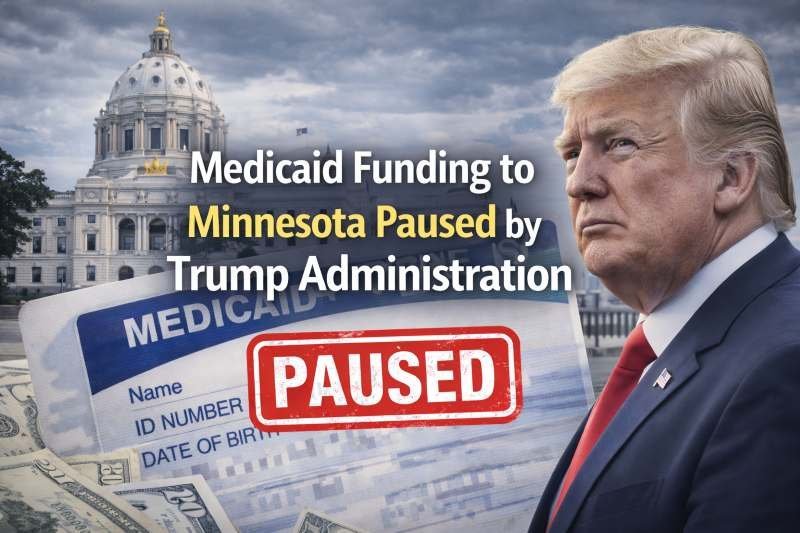
The recent decision to suspend nearly $260 million in Medicaid funding to Minnesota has sparked significant discussions about accountability in state healthcare programs. This action, taken by the Trump administration, aims to ensure that the state improves its financial oversight regarding the distribution of federal funds. Stakeholders are now closely observing the potential impacts on healthcare services across Minnesota. The administration’s focus on transparency highlights the importance of proper allocation of resources. As a result, this move could influence similar actions in other states facing similar accountability challenges.
Impact on Minnesota’s Healthcare System
The suspension of Medicaid funding poses serious implications for Minnesota’s healthcare system. Many healthcare providers depend on these funds to offer essential services to vulnerable populations. A prolonged funding pause could disrupt care for individuals reliant on Medicaid for their health needs. State officials may need to seek alternative funding sources to alleviate the potential fallout. This situation underscores the critical balance between federal oversight and state autonomy in managing healthcare programs. Observers are keen to see how Minnesota navigates this complex challenge.
Federal Oversight and Its Implications
This action illustrates the Trump administration’s commitment to enhancing federal oversight of state programs. By targeting Medicaid funding, the administration signals its intent to hold states accountable for their financial management practices. The funding pause serves as a cautionary tale for other states regarding the consequences of inadequate oversight. Federal officials are expected to increase scrutiny of state spending practices in the future. This heightened focus on accountability may lead to more stringent requirements for states seeking federal funds. As a result, states might need to adjust their budgeting processes accordingly.
Political Reactions to the Funding Suspension
Reactions to the Medicaid funding suspension have varied among political leaders and stakeholders. Some state officials express concern about the potential negative effects on healthcare access for residents. Conversely, others support the administration’s push for greater accountability in government spending. This divide reflects broader political tensions regarding federal versus state control over healthcare programs. The differing perspectives highlight the complexities involved in managing public health resources. As discussions continue, the implications for Minnesota’s healthcare landscape remain a focal point.
Stakeholder Concerns and Responses
Healthcare providers and advocates are voicing their concerns regarding the funding suspension’s impact on service delivery. Many fear that reduced funding could lead to decreased access to care for those who need it most. Stakeholders are calling for a collaborative approach to address the accountability issues while ensuring that healthcare services remain intact. The situation emphasizes the need for dialogue between state and federal officials. As the state navigates this funding challenge, the responses from various stakeholders will play a crucial role in shaping the outcome. The ongoing discussions will likely influence future policy decisions.
Future of Medicaid Funding in Minnesota
The future of Medicaid funding in Minnesota hangs in the balance as state officials work to address the concerns raised by the federal government. The administration’s focus on accountability may lead to changes in how the state manages its healthcare programs. Stakeholders are advocating for solutions that maintain essential services while improving oversight. The outcome of this situation could set a precedent for other states facing similar scrutiny. As Minnesota seeks to resolve these issues, the implications for healthcare access and funding will be closely monitored. The evolving landscape of Medicaid funding will remain a critical topic in the coming months.
Conclusion: Navigating Accountability Challenges
In conclusion, the Medicaid funding suspension in Minnesota highlights significant accountability challenges within state healthcare programs. The implications of this decision extend beyond financial concerns, affecting the delivery of vital services to vulnerable populations. As state officials work to address the federal government’s demands, the balance between oversight and autonomy will be crucial. The reactions from political leaders and stakeholders will shape the future of healthcare funding in Minnesota. Observers will continue to watch how this situation unfolds and its potential impact on similar issues nationwide.

