
U.S.
Congressional Leaders Criticize Military Actions Against Iran
Feb
FirstAm News | Raleigh, NC
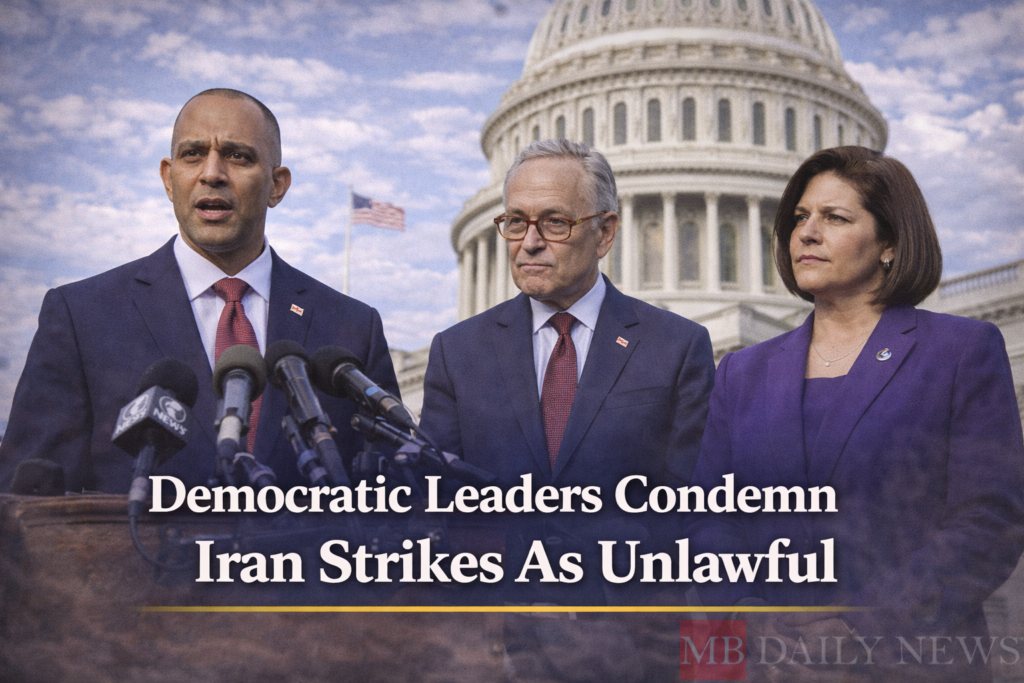
Recent military actions against Iran have drawn sharp criticism from congressional leaders. They have labeled these strikes as unlawful, raising concerns about the executive branch’s authority. This backlash highlights a growing unease regarding military engagement without congressional approval. Lawmakers argue that such actions disrupt the constitutional balance of power. The situation is further complicated by rising tensions in the region and ongoing discussions about U.S. foreign policy. Many Democratic leaders advocate for a more cautious approach to international conflicts.
Concerns Over Executive Authority
Lawmakers are increasingly worried about the implications of unilateral military actions. They contend that the president should not have the sole authority to initiate strikes without legislative oversight. This perspective is rooted in the belief that Congress must play a crucial role in decisions related to military engagement. The recent actions against Iran have intensified calls for a reevaluation of the executive’s war powers. As a result, many are pushing for a legislative framework that ensures thorough scrutiny of military decisions. This could lead to significant changes in how military actions are authorized in the future.
Push for Legislative Action
In light of the recent military strikes, Democratic lawmakers are advocating for a vote to limit the president’s war powers. They argue that such measures are necessary to reclaim Congress’s constitutional responsibilities. The proposed legislation aims to ensure that any future military actions undergo comprehensive legislative review. By doing so, lawmakers hope to prevent unilateral decisions that could have far-reaching consequences. This initiative reflects a desire for a more collaborative approach to foreign policy. It may also reshape the dynamics of U.S. military involvement on the global stage.
Implications for U.S. Foreign Policy
The debate surrounding military actions against Iran raises essential questions about the future of U.S. foreign policy. Lawmakers express concerns that unilateral strikes could alienate allies and exacerbate existing conflicts. A more collaborative approach may enhance diplomatic efforts and help reduce tensions in volatile regions. The consequences of these military actions extend beyond immediate security issues. They could also influence long-term relationships with other nations. Observers are closely monitoring how this situation develops and its potential impact on future policy decisions.
Public Sentiment and Political Pressure
Public opinion significantly influences the response to military actions against Iran. Many citizens are apprehensive about the potential for war and the associated loss of life. This widespread concern places pressure on lawmakers to reconsider their positions on military engagement. As public sentiment evolves, it may lead to increased demands for accountability and transparency in foreign policy decisions. Lawmakers are aware that their constituents are watching closely, which could affect their legislative priorities. The interplay between public opinion and political action will be crucial in shaping future responses to international conflicts.
Future of Military Engagement
The ongoing discussions about military actions against Iran could redefine the future of U.S. military engagement. Lawmakers are advocating for a shift toward a more restrained approach to international conflicts. This change may involve prioritizing diplomatic solutions over military interventions. As tensions continue to rise, the need for a balanced and thoughtful foreign policy becomes increasingly apparent. The implications of these military actions will likely resonate in the broader context of U.S. relations with other nations. The evolving landscape of international politics will require careful navigation by lawmakers and the executive branch alike.
Conclusion: A Call for Collaboration
The criticism of military actions against Iran underscores the importance of collaboration in U.S. foreign policy. Lawmakers are calling for a reassessment of the balance of power regarding military engagement. By advocating for legislative oversight, they aim to ensure that future military actions are subject to thorough review. This approach could foster a more cooperative atmosphere in international relations. As the situation develops, the focus will remain on how these discussions influence U.S. military strategy and diplomatic efforts. The outcome may have lasting effects on the nation’s role in global affairs.

