
U.S.
Historical Challenges for Regime Change Aspirations in Iran
Mar
FirstAm News | Raleigh, NC
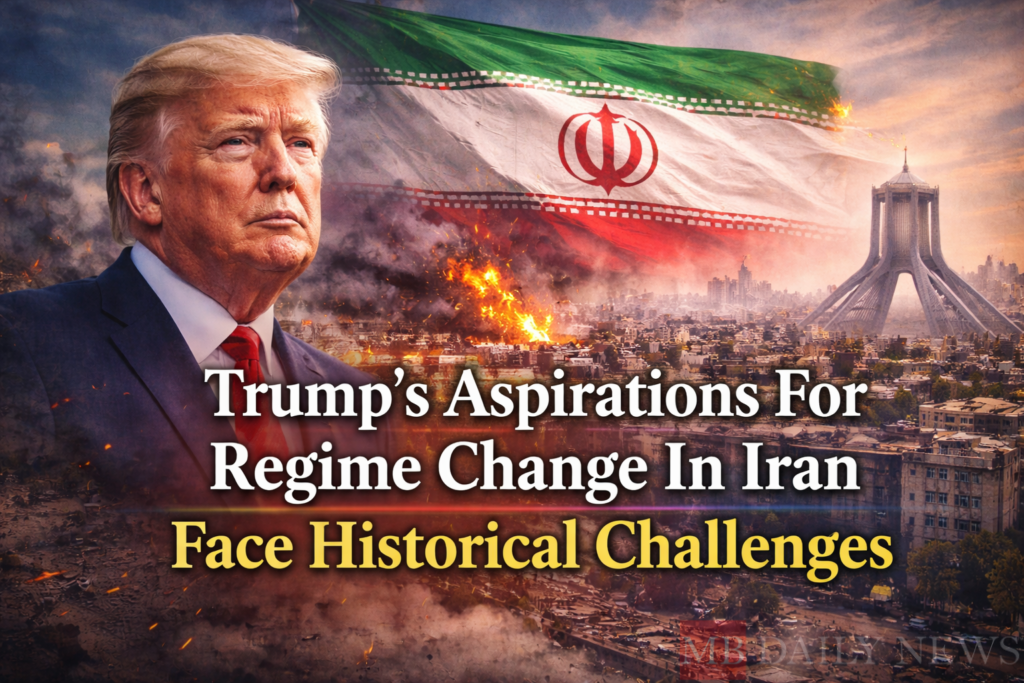
Recent discussions surrounding regime change in Iran highlight significant historical challenges. Aspirations for altering the Iranian government reflect a belief in the effectiveness of military action. However, historical precedents suggest that such ambitions often encounter substantial obstacles. Previous attempts at regime change through military means have frequently fallen short of their goals. The complexities of geopolitical dynamics further complicate these military strategies. As a result, the viability of such approaches remains a topic of debate among experts.
Historical Context of Military Interventions
Military interventions throughout history have demonstrated that achieving regime change typically requires more than just air power. The United States has engaged in operations that necessitated the involvement of ground troops or local forces to ensure success. Airstrikes alone have often failed to dismantle established governments effectively. Each intervention underscores the importance of comprehensive strategies that encompass political and social factors. Lessons learned from past conflicts continue to resonate in contemporary discussions. Analysts are keenly observing how these historical insights shape current military strategies.
Challenges of Air Power Alone
Relying exclusively on air power to achieve political objectives presents notable limitations. Military analysts point out that while airstrikes can disrupt existing structures, they cannot replace governance. The lack of ground forces often results in a power vacuum, leading to increased instability. Without local support or a clear governance plan, military actions may inadvertently heighten existing tensions. The experiences in Iraq and Libya serve as cautionary examples for similar military strategies. Future military decisions are likely to reflect these historical lessons learned.
Implications for U.S. Foreign Policy
The pursuit of regime change in Iran raises critical questions regarding the direction of U.S. foreign policy. Policymakers must carefully weigh the potential consequences of military action on regional stability. Engaging in another conflict could strain both resources and international relations. The intricate nature of Iranian politics adds further complexity to any straightforward military solution. A nuanced approach that incorporates diplomatic efforts may be essential for addressing the challenges at hand. Observers are closely monitoring how these considerations influence U.S. foreign policy decisions.
Geopolitical Dynamics at Play
The geopolitical landscape surrounding Iran is multifaceted and constantly evolving. Regional players have vested interests that can complicate any attempts at regime change. Additionally, the historical context of U.S.-Iran relations adds layers of complexity to military strategies. Understanding these dynamics is crucial for assessing the potential outcomes of military interventions. Analysts emphasize the need for a comprehensive understanding of the region’s intricacies. As a result, any military action must be carefully calibrated to avoid unintended consequences.
Lessons from Past Conflicts
Historical lessons from past conflicts remain relevant in discussions about regime change in Iran. Previous military interventions have often highlighted the importance of a well-rounded strategy. The complexities of governance and local dynamics cannot be overlooked. Analysts argue that successful outcomes require not only military might but also a commitment to rebuilding and stabilizing affected regions. The experiences of past interventions serve as reminders of the challenges that lie ahead. Policymakers are urged to consider these lessons when formulating future strategies.
Future Considerations for Military Strategy
As discussions about regime change in Iran continue, future military strategies will likely evolve. The historical challenges associated with air power alone will inform decision-making processes. Military planners may increasingly recognize the necessity of integrating diplomatic efforts alongside military action. A comprehensive approach that addresses both immediate and long-term goals could prove essential. The complexities of the situation demand careful consideration of all available options. Ultimately, the path forward will require a balanced assessment of risks and opportunities.

