
U.S.
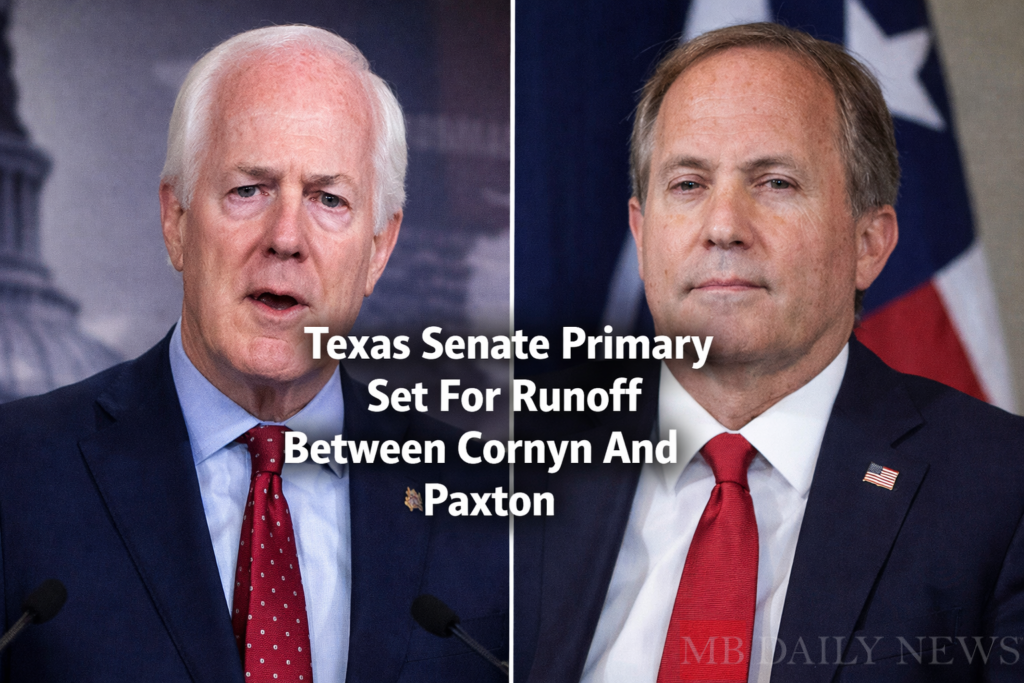
Texas Senate Primary Heads to Runoff Between Cornyn and Paxton
Mar
FirstAm News | Raleigh, NC
The Texas Senate primary has reached a pivotal moment as incumbent Senator John Cornyn faces Attorney General Ken Paxton in a runoff. Neither candidate managed to secure a majority in the initial voting, indicating a highly competitive race. This situation underscores the growing rifts within the Republican Party in Texas. Voter engagement will play a crucial role in determining the outcome of the runoff. Observers are keen to see how each candidate adapts their campaign strategies in the coming weeks. The results could have significant implications for the party’s future direction in the state.
Background of the Candidates
John Cornyn has been a U.S. Senator since 2002, earning a reputation as a key player in Texas politics. His tenure includes various leadership roles that have influenced important legislation. On the other hand, Ken Paxton, as Attorney General, has gained notoriety for his legal challenges and strong conservative stances. Each candidate appeals to different segments of the Republican base, reflecting the party’s internal divisions. Their contrasting approaches and policies are likely to energize their respective supporters. The runoff will serve as a test of their ability to unify the party ahead of the general election.
Impact of the Primary Results
The results of the primary indicate a notable shift in the sentiments of Texas Republican voters. The exit of Rep. Wesley Hunt suggests a preference for candidates with established political backgrounds. This trend may reflect a desire for stability rather than a push for new leadership. As voter dynamics in Texas evolve, the runoff will be a critical moment to observe how these changes manifest. Candidates must effectively address the concerns of their constituents to secure a win. The implications of this primary extend beyond Texas, potentially shaping national Republican strategies.
Key Issues at Stake
Several pressing issues are expected to dominate the runoff campaign, including immigration, healthcare, and economic policies. Both candidates will need to present clear and compelling positions to resonate with voters. The way they handle these topics could sway undecided voters in what is anticipated to be a close race. Additionally, their responses to current events and challenges will be closely scrutinized. Engaging with the electorate on these critical matters will be essential for both candidates. The outcome may also influence broader discussions within the party.
Voter Turnout and Engagement
Voter turnout will be a decisive factor in the upcoming runoff between Cornyn and Paxton. High engagement levels are crucial for both candidates to secure a victory. Mobilizing supporters and reaching out to undecided voters will be key strategies. Additionally, understanding the motivations of the electorate will help tailor campaign messages effectively. The candidates must also consider the impact of early voting and mail-in ballots. As a result, their campaign efforts will likely intensify as the runoff date approaches.
Strategic Adjustments
In preparation for the runoff, both candidates are expected to make strategic adjustments to their campaigns. Analyzing the results of the primary will provide insights into voter preferences and concerns. Each candidate may refine their messaging to better align with the electorate’s priorities. Engaging in debates and public forums will also be critical for showcasing their positions. The ability to connect with voters on a personal level could influence the final outcome. As the race heats up, the candidates will need to remain adaptable and responsive to changing dynamics.
Future Implications for the Republican Party
The outcome of the Texas Senate primary runoff could have far-reaching implications for the Republican Party. A victory for either candidate may signal a shift in the party’s priorities and strategies moving forward. Observers will be watching closely to see how the results affect national Republican dynamics. The ability to unify the party after a contentious primary will be essential for success in the general election. Additionally, the runoff may set the tone for future elections in Texas and beyond. Ultimately, the stakes are high as both candidates vie for the support of their party and the electorate.

