
U.S.
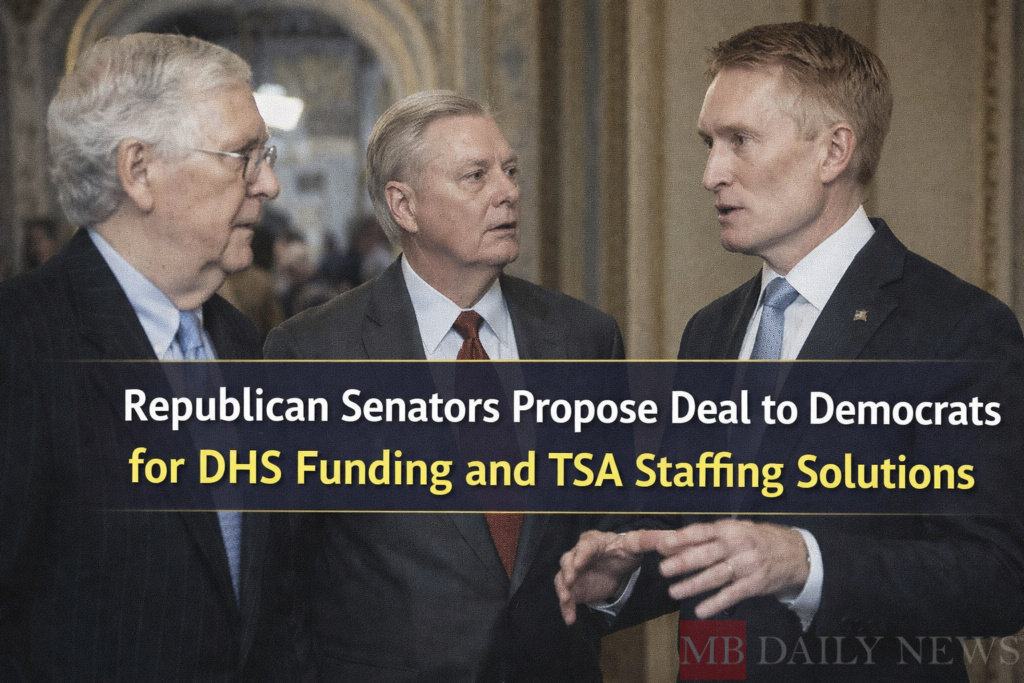
Republican Senators Seek Bipartisan Agreement on TSA Staffing and DHS Funding
Mar
FirstAm News | Raleigh, NC
Negotiations are underway between Republican senators and Democrats concerning TSA staffing and DHS funding. This initiative aims to address ongoing challenges at airport security checkpoints. Travelers have faced significant delays and long lines, prompting urgent calls for solutions. Improving TSA staffing could enhance the overall travel experience for millions of Americans. Stakeholders are closely monitoring these discussions as they unfold. The outcome may have broader implications for bipartisan cooperation in Congress.
Background on TSA Staffing Challenges
Staffing shortages at the TSA have contributed to increased wait times at airports across the nation. During peak travel seasons, passengers often encounter lengthy lines that can lead to missed flights. These delays have caused frustration among travelers, impacting their overall experience. The TSA has struggled to keep up with rising travel demands, making it essential to address these staffing issues. Restoring public confidence in air travel hinges on effective solutions to these persistent challenges. A collaborative approach may prove beneficial in resolving these staffing concerns.
Political Implications of the Proposal
This proposal underscores the potential for bipartisan collaboration on critical infrastructure needs. Both political parties acknowledge the significance of efficient airport operations for economic recovery. A successful agreement could set a precedent for future cooperation on other pressing legislative matters. Political analysts are observing whether this initiative fosters a more collaborative environment in Congress. The stakes are high, as public sentiment often drives legislative priorities. Failure to act could lead to increased dissatisfaction among constituents.
Stakeholder Reactions
Airlines, travel industry representatives, and passenger advocacy groups are keenly observing the negotiations. Many stakeholders stress the urgency of improving airport experiences through effective TSA staffing. They argue that adequate staffing is crucial for maintaining safety and operational efficiency. Positive outcomes from this proposal could bolster support for future funding initiatives. Conversely, any delays or failures in reaching an agreement may exacerbate existing frustrations among travelers. The travel industry is particularly invested in the outcome of these discussions.
Potential Benefits of the Agreement
Reaching an agreement on TSA staffing and DHS funding could yield significant benefits for travelers. Enhanced staffing levels may lead to shorter wait times and a more streamlined security process. This improvement could positively affect the overall travel experience, encouraging more people to fly. Additionally, effective TSA operations are vital for ensuring safety in air travel. A successful collaboration between parties could also inspire confidence in government responsiveness to public needs. Ultimately, the agreement could serve as a model for addressing other infrastructure challenges.
Future Legislative Cooperation
The negotiations surrounding TSA staffing and DHS funding may pave the way for future legislative collaboration. If successful, this initiative could demonstrate that bipartisan efforts can lead to effective solutions. Both parties may find common ground on other pressing issues, fostering a more cooperative atmosphere in Congress. Observers are hopeful that this proposal will encourage further dialogue on infrastructure and public safety. The implications of this agreement extend beyond air travel, potentially influencing broader legislative priorities. A united front could enhance the effectiveness of government operations.
Conclusion
As discussions continue, the focus remains on finding effective solutions for TSA staffing and DHS funding. The outcome of these negotiations will likely impact the travel experience for millions. Stakeholders from various sectors are advocating for swift action to address these critical issues. The potential for bipartisan cooperation could reshape the legislative landscape in Congress. Observers will be watching closely to see how this proposal unfolds and its implications for future initiatives. Ultimately, the success of this agreement may hinge on the willingness of both parties to collaborate.

